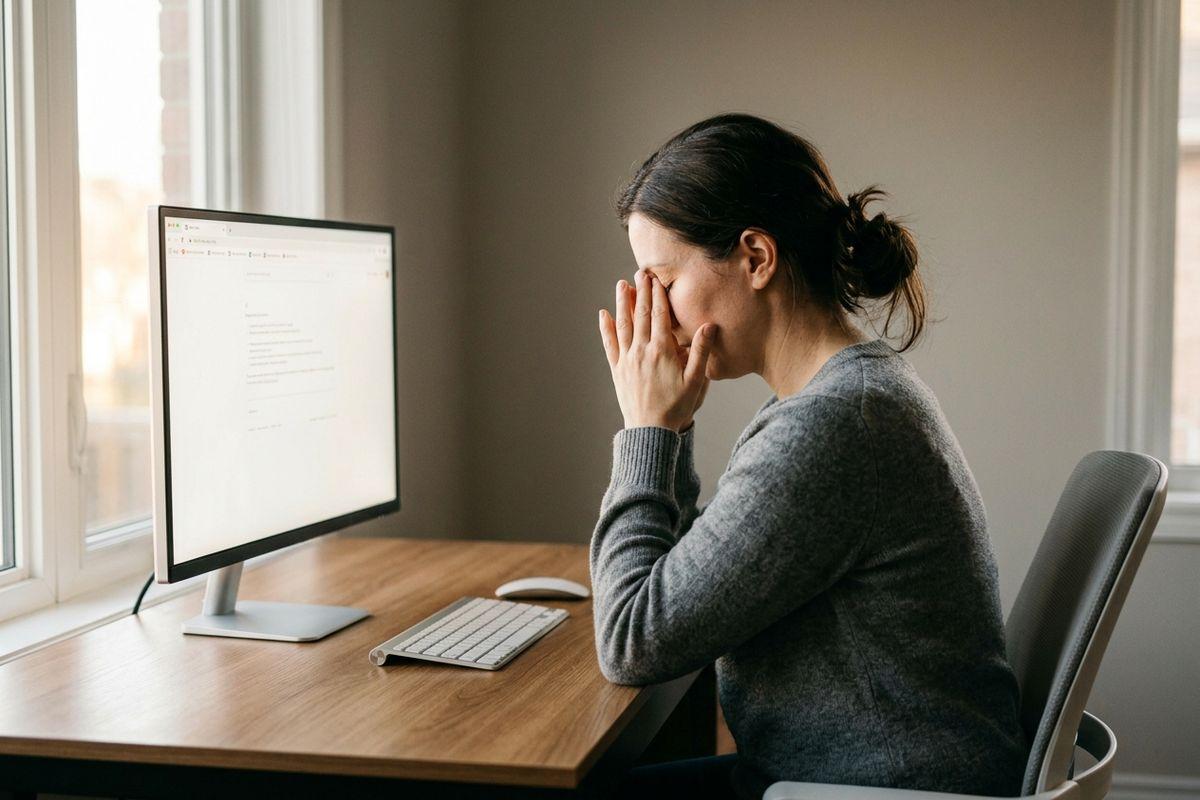
Your eyes can feel fine one week and sting the next, often during a busy stretch at work or the first cold weeks of the year. Long hours on a screen or a new pair of contact lenses can be enough to leave your eyes dry and irritated.
Dry eyes usually come on suddenly because something changed in your routine, your surroundings, your health, or your medications, and your tears can no longer keep your eyes comfortable. Often, there’s more than 1 cause.
What Sudden Dry Eye Can Feel Like
A thin layer of tears coats the surface of your eyes and keeps them comfortable. Dry eye develops when your eyes don’t make enough tears or the tears they make don’t have the right balance. And despite the name, it doesn’t always feel dry. In fact, your eyes might water or tear up more than usual, even when they’re not getting the moisture they need. Some people notice it most at the end of a long workday.
Here are the signs people notice most often:
- Stinging, burning, or a scratchy feeling
- Redness and sensitivity to light
- A gritty sensation, like something is in your eye
- Watery eyes
- Blurry vision that comes and goes
Why Watery Eyes Can Mean Dry Eye
Watery eyes and dry eye sound like opposites. They’re not. When the surface of your eye is irritated, your eyes can make extra tears as a reflex, so you could be dabbing at your eyes while they still feel raw.
What Can Be Mistaken for Dry Eye
Seasonal or indoor allergies can feel nearly identical, especially when itching is involved. Irritated eyelids and contact lens problems can mimic dryness too. An examination can help you sort out which one you’re dealing with before you spend money on the wrong drops.
Everyday Habits Behind a Sudden Flare-Up
A busy stretch at work, contact lenses worn beyond their recommended replacement schedule, or a skipped step in your routine can tip your eyes over the edge. Lash extensions and eye makeup left on overnight can irritate your lids, where tiny glands make the oil that slows down tear evaporation.
Screen Time
Focusing on a spreadsheet or a long group chat changes the way you blink. You normally blink about 17 times a minute, but that rate can drop to around 4 when you’re concentrating on a screen. Fewer blinks give your tears more time to evaporate.
Try the 20-20-20 rule to build regular breaks into your day. Every 20 minutes, look at something about 20 feet away for 20 seconds, and blink a few times while you’re at it.
Set your monitor a little below eye level, too. When you look slightly down, your eyelids cover more of your eyes, so less of the surface is exposed to air.
Contact Lens Care
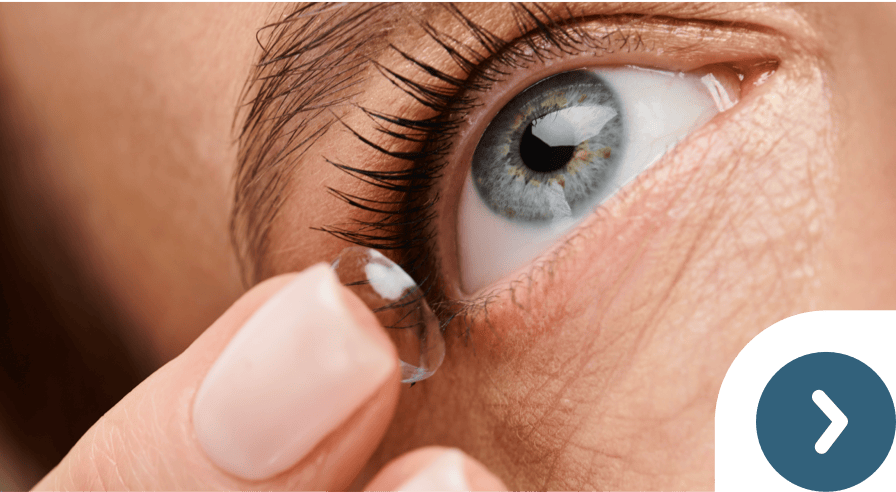
Your contact lenses sit right on top of your tears, so small changes in how you wear them can affect how your eyes feel. Stretching a pair past its replacement date or sleeping in your contact lenses can leave your eyes drier than usual.
Do your lenses feel fine in the morning but uncomfortable by dinner? Mention it at your next appointment. Your optometrist can check the fit and look at whether a different lens material or wearing schedule could help.
How Your Surroundings Dry Out Your Eyes
Moving air pulls moisture from the surface of your eyes. Wind can make your tears evaporate faster, whether it comes from outside or from a vent a few inches from your face.
Watch for dryness in places like:
- Cars with the vents aimed at your face
- Rooms with a fan running near your desk or bed
- Airplane cabins
- Homes and offices heated by a furnace in winter
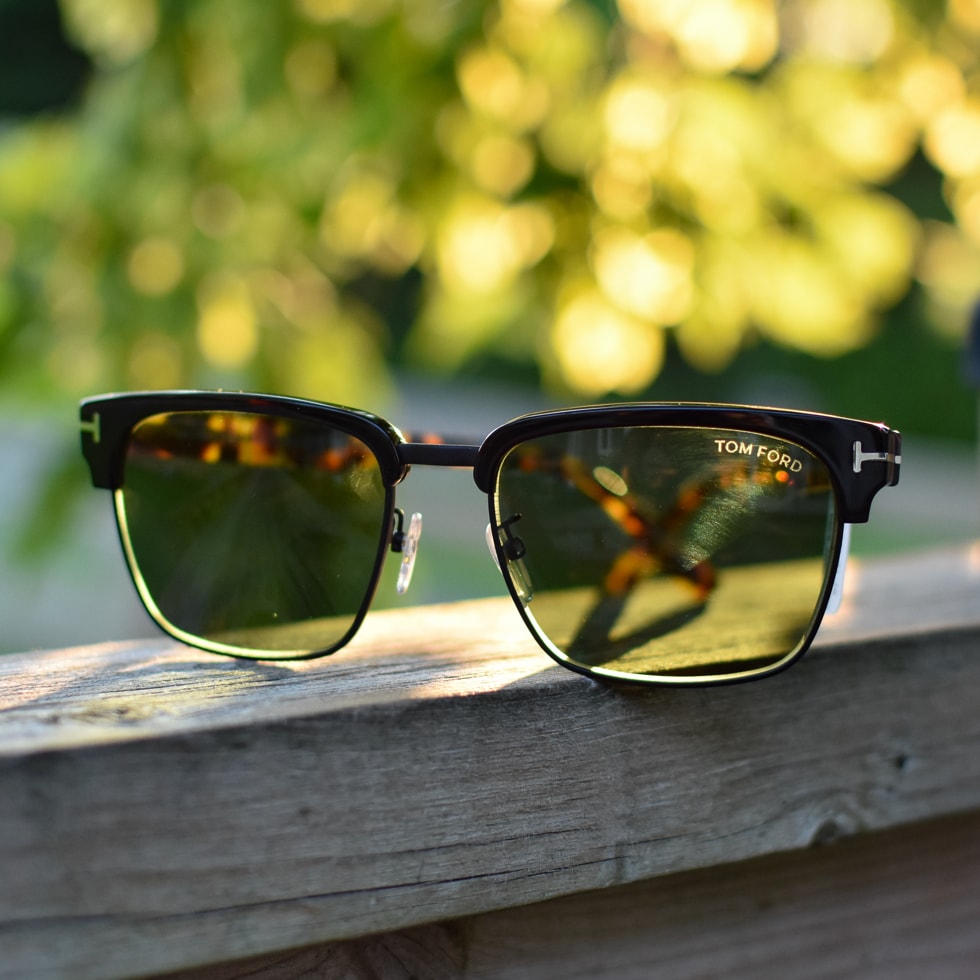
Smoky air during wildfire season can irritate your eyes, too. A humidifier in your bedroom or office could help add moisture back to the air, and wraparound sunglasses can help block wind and dust when you’re outside.

Health Changes and Medicines Linked to Dry Eye
Sometimes the reason has nothing to do with your habits. Hormone shifts during pregnancy, with birth control, or through menopause are linked to dry eye. So are diabetes and autoimmune conditions.
Some common medications are linked to dry eye, including antihistamines, antidepressants, birth control pills, and some blood pressure medications. If you’ve started a new prescription recently, bring the name with you to your appointment.
Age plays a part as well. Tear production tends to slow down as you get older, so dryness can start even when nothing else about your day has changed.
Ways to Relieve Sudden Dry Eye at Home
Start with the basics. Preservative-free artificial tears can help moisten your eyes, and a warm compress over closed eyelids for a few minutes can feel soothing.
Skip redness-relief drops unless your optometrist recommends them. The redness can come back once the drops wear off.
If home care doesn’t help, talk with your optometrist about prescription drops or in-office treatment options that could suit your eyes.
Signs to Call an Optometrist
Book an appointment if your dryness doesn’t improve or keeps coming back. Some symptoms need prompt attention, including:
- Pain in or around your eye
- Vision changes that don’t clear up when you blink
- New sensitivity to light
- Redness that keeps getting worse
Find Out What’s Behind Your Sudden Dry Eye
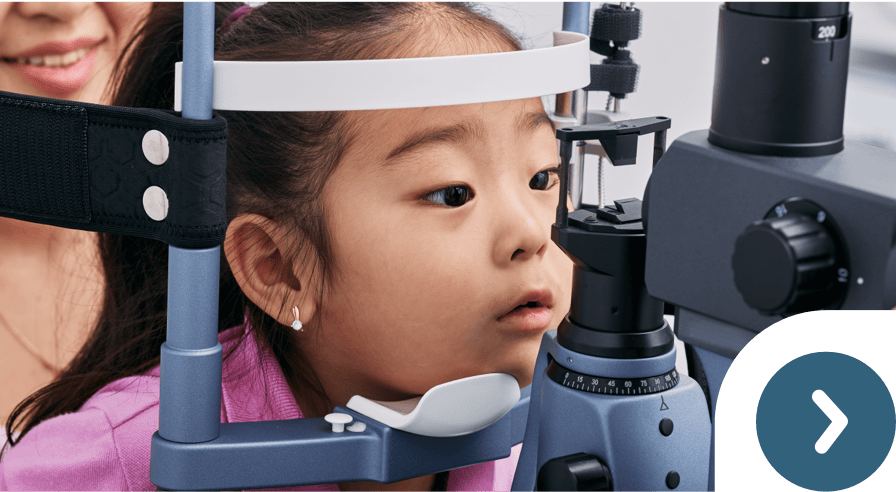
At a dry eye appointment, your optometrist asks about your work, your screen time, your health, and any medications you take. Then they examine your tears and eyelids to see how well they cover the surface of your eyes.
From there, we build a plan around your eyes and your schedule. Our team at Westmount Optometrists sees dry eye often, and we’re happy to talk through what’s going on. Book an appointment for a comprehensive eye examination or a dry eye assessment, and bring your questions with you.