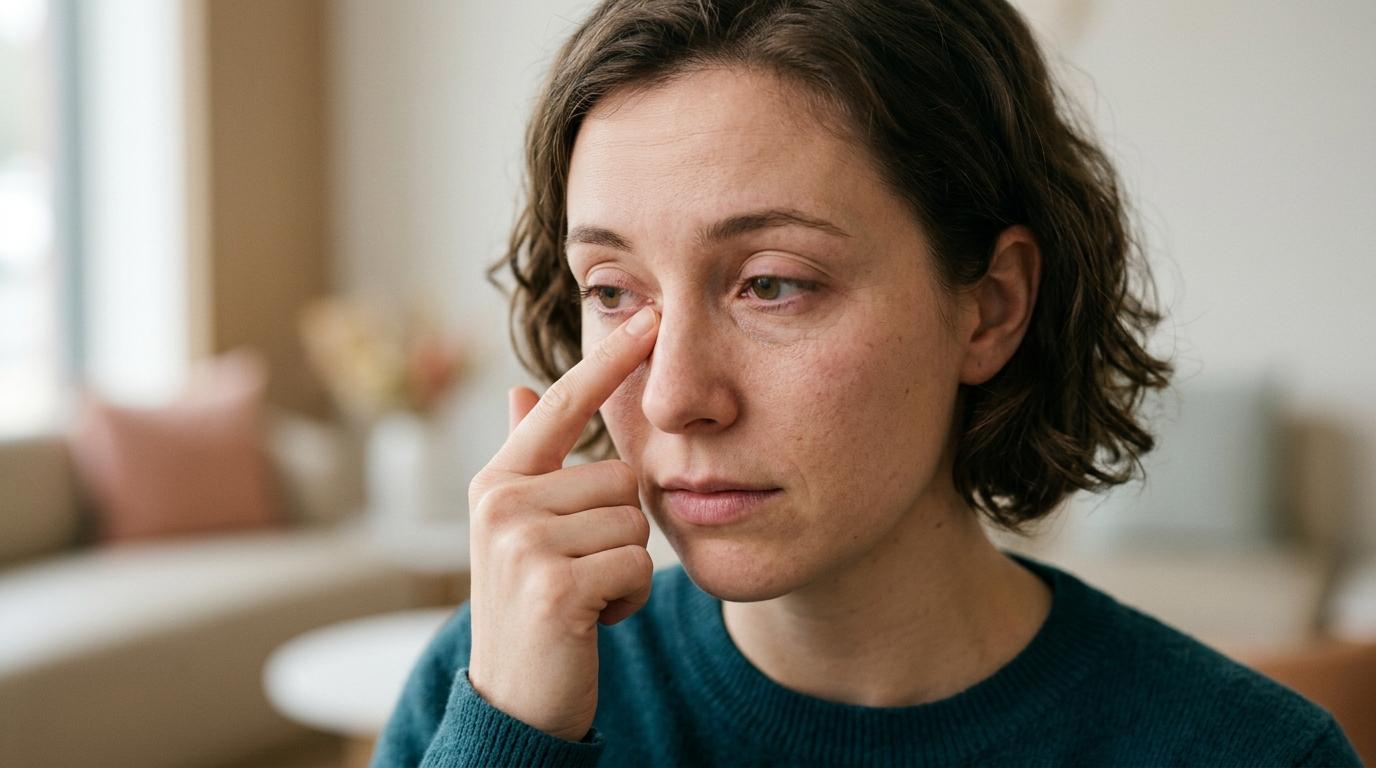
witching? Explore common causes, simple fixes, and warning signs from your optometrist in London, ON.
Almost everyone deals with a twitchy eyelid at some point, and hardly anyone talks about it. That little flutter under your eye can feel impossible to ignore, even though the people around you probably won’t notice a thing. In most cases, an eye twitch is harmless and clears up on its own. The reasons behind it usually come down to a few everyday habits, and once you know what to look for, they’re easy to spot.
An eye twitch is really just an involuntary spasm of the eyelid muscle. It might last a few minutes, stick around for a few days, or come and go over a longer stretch. Annoying? Definitely. Something to worry about? Usually not.
Everyday Habits That Trigger Eye Twitching
Your daily habits have more to do with eye twitching than you might think. Running low on sleep is one of the biggest culprits, and it doesn’t take much. A rough couple of nights can be enough to set one off.
Stress tends to make things worse, and so does caffeine. Even a small amount of alcohol can play a role. If your eye starts acting up after a busy stretch at work or one too many late nights, take it as a sign to slow down.
Eye-Related Factors
Sometimes the cause sits closer to home. Dry eyes are a common source of eyelid twitching. When your eyes lack moisture or feel irritated, the muscles around them can react.
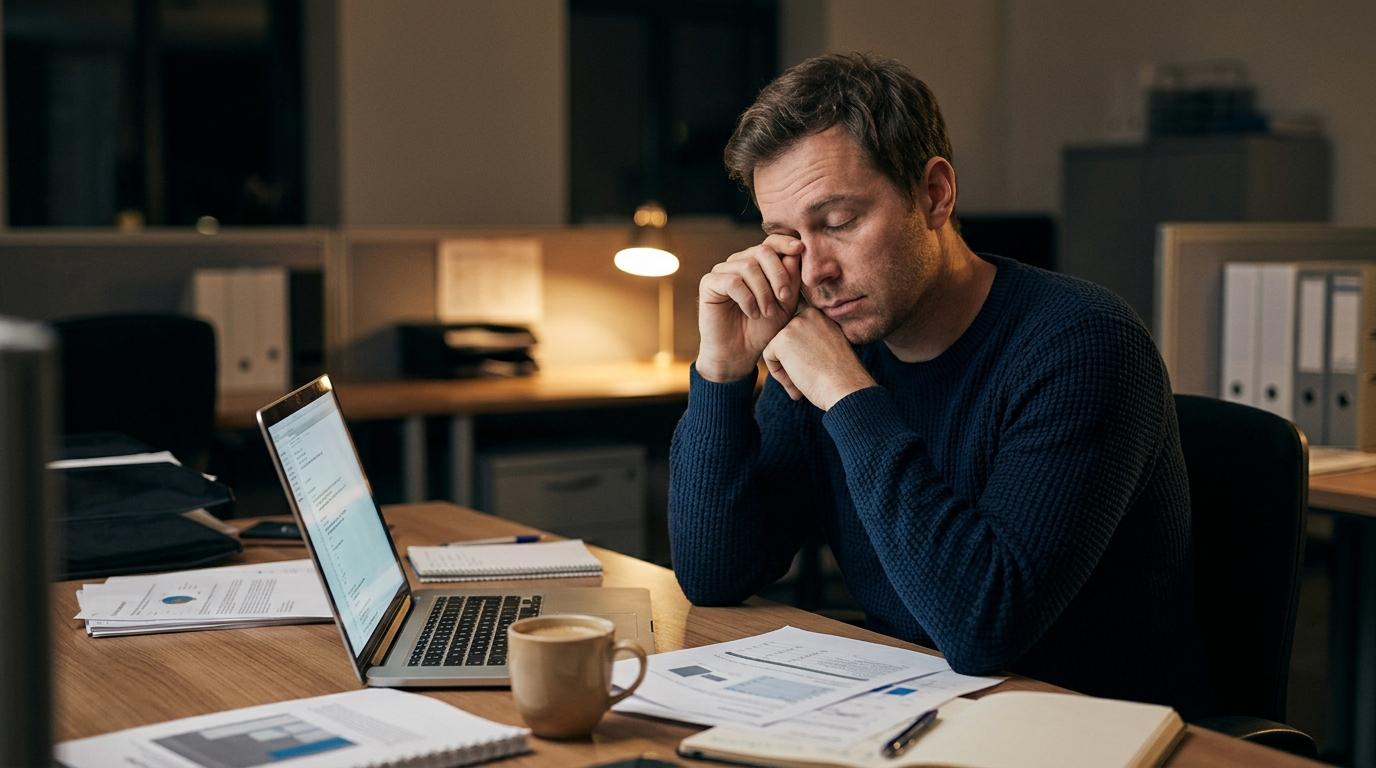
Allergies add to this, especially if you’re rubbing your eyes to relieve itching. Long hours in front of a screen can also wear on your eye muscles over time. This is called computer vision syndrome, and it’s becoming more common as we all spend more time staring at screens.
Simple Ways to Help Reduce Eye Twitching
Before booking an appointment, there are a few things worth trying on your own. Start with the basics: get a bit more sleep, cut back on caffeine, and give your eyes some distance from screens throughout the day. Even a short break every hour can give your eyes a chance to recover.
Follow the 20-20-20 rule to ease the strain: every 20 minutes, look at something 20 feet away for 20 seconds. If dryness seems to be part of the picture, pick up some over-the-counter lubricating eye drops for relief.
The 20-20-20 rule is a simple habit that can make a real difference. Every 20 minutes, look at something 20 feet away for 20 seconds.
A few other habits worth building into your routine include:
- Cut back on alcohol where you can.
- Manage stress with whatever works for you, whether that’s a walk, a workout, or just stepping away from your desk.
- Spend some time outside in natural light each day.
These steps won’t solve everything, but they’re a solid first move before you look any further.
When to Call Your Optometrist
Most twitches settle down within a few days on their own. But a few situations are worth a closer look:
- The twitching lasts longer than a few weeks without letting up.
- Both eyelids are twitching, or one eye closes fully on its own.
- The twitching comes with facial spasms, discharge, or changes to your vision.
If you notice any of these, reach out and get your eyes checked.
What One Eye Twitching vs. Both Eyes Could Mean
There’s a real difference between one eye twitching and both eyes twitching at once. A single twitching eyelid is usually what’s called benign myokymia, which just means a mild, self-limiting muscle spasm. It tends to work itself out.
When both eyes are involved, especially if your eyelids feel like they’re closing on their own, it may indicate a condition called blepharospasm. That’s a different situation, and one your optometrist should take a look at. A personal eye exam is one of the only real ways to know what’s going on and what it means for you.
How an Eye Exam Can Help
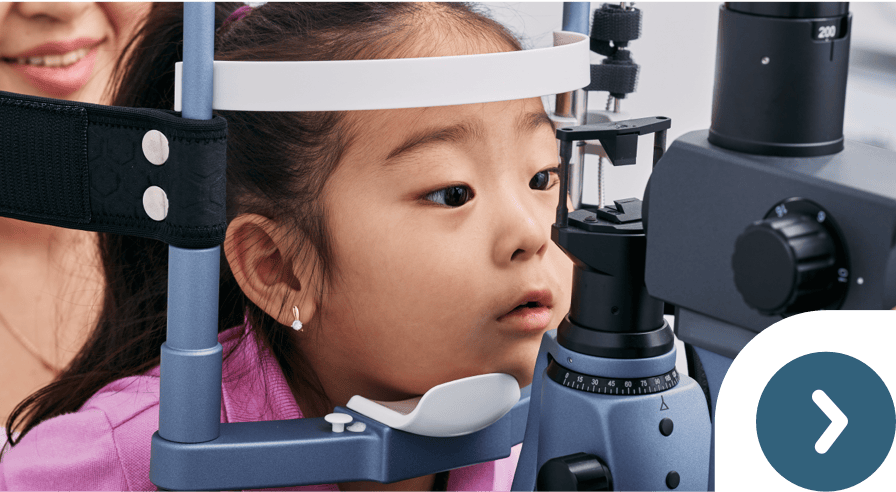
If your twitch has stuck around, a comprehensive eye exam is your clearest next step. Your optometrist can rule out underlying concerns and get a full picture of your eye health.
Every person’s eyes work a little differently. What’s driving your twitch might have nothing to do with what’s happening for someone else, so a care plan built around your specific situation can serve you better than general advice.
Give Your Eyes the Attention They Deserve
A twitchy eyelid is usually nothing to lose sleep over, but you don’t have to just live with it either. If it’s sticking around longer than it should, or something feels off, book an eye exam and get answers instead of guesses.
Westmount Optometrists has been caring for local families since 1973, and the team is always happy to help you sort out what your eyes are trying to tell you. Give us a call and book your appointment today!