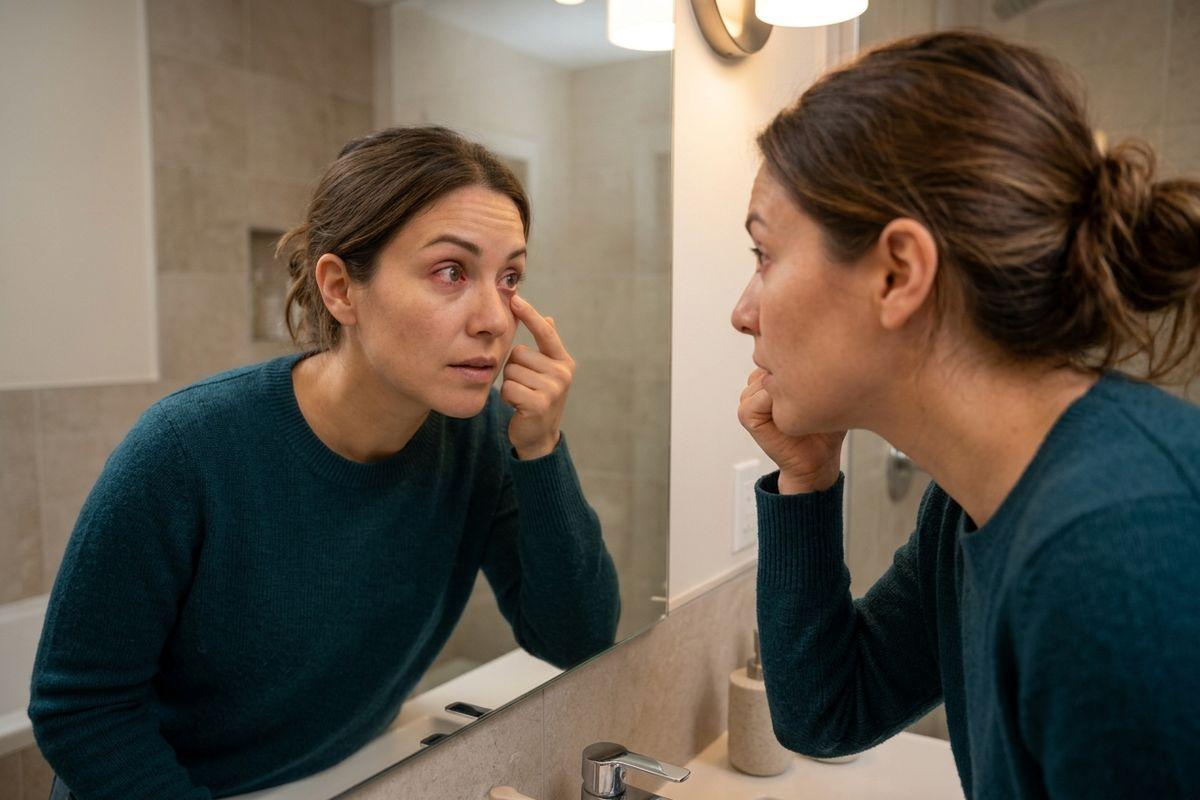
Waking up with red, irritated, or watering eyes easily derails a busy morning. Whatever’s happening, you want answers, and you want them quickly.
Both allergy eyes and pink eye inflame the same tissue on the surface of your eye, but the cause behind each is different, and that difference matters a lot when it comes to how you look after them. Redness alone doesn’t tell you much. The full picture, including your other symptoms and how things started, helps point toward the right answer.
Spotting the Signs of Eye Allergies
Allergy-related eye symptoms tend to hit both eyes at the same time. The itching can feel relentless, the kind where you keep rubbing even though you know you shouldn’t.
Keep track of environmental factors like local pollen levels, pet exposure, or city dust, as these commonly trigger flare-ups. Watch for these specific signs of an allergic reaction:
- Watery, stringy discharge
- Runny nose or sneezing alongside the eye irritation
- Symptoms that worsen outside or around certain animals
Recognizing the Symptoms of Pink Eye
Pink eye often starts in just 1 eye. From there, it may move to the other. And it often feels quite different from a standard allergy attack.
That crusty buildup after sleep is a highly recognizable sign of an infection. It signals that something other than allergies needs attention. Pay attention to these distinct symptoms:
- Thick discharge that appears yellow or green
- Eyelids that feel glued together in the morning
- Redness that feels gritty or sore rather than just itchy
Viral vs. Bacterial Pink Eye: What to Look For
Pink eye falls into 2 main categories: viral and bacterial.
Viral pink eye acts a lot like a common cold in your eye. It usually causes a watery discharge and often shows up alongside a sore throat or congestion.
Bacterial pink eye behaves differently. It produces that thick, sticky pus that glues your eyelashes together. An optometrist may prescribe antibiotic drops to treat a bacterial infection, while viral infections simply need time to run their course over a few days. Don’t guess which one you have. Let an expert evaluate your specific situation.
The Big Difference: Contagious or Not
This is where the 2 conditions really separate from each other. Eye allergies are not contagious. You can’t pass them to someone else, and no one gave them to you.
Pink eye is a different story. The viral and bacterial forms spread easily from person to person, through shared towels, touching your face, or simply being in close contact with someone who has it.
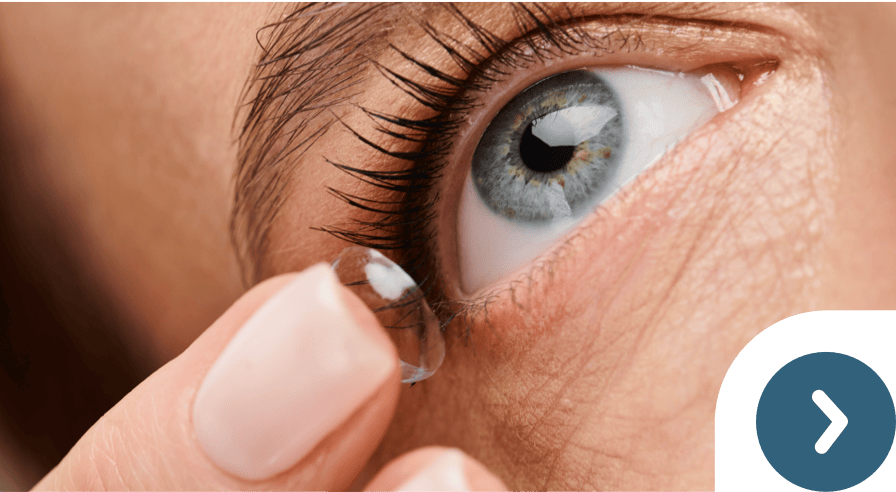
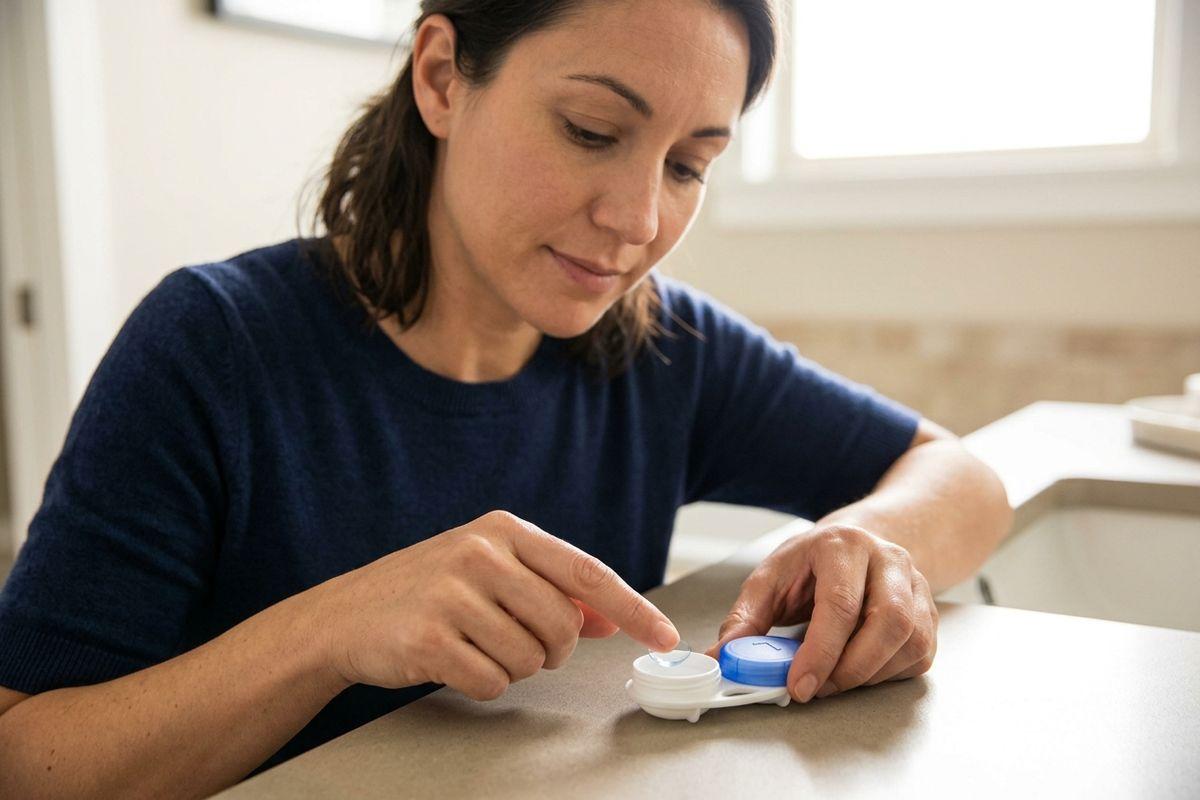
If you wear contact lenses, it’s worth being especially cautious. Your lenses sit directly on the surface of your eye, which can worsen irritation and increase the risk of spreading or worsening the infection.
What You Can Do at Home
Caring for your eyes depends on what specifically is affecting them. Your optometrist can help pinpoint the cause, at which point there are some steps you can take at home to manage your symptoms.
For Allergies
Reducing contact with whatever’s bothering your eyes can help take the edge off. Close your windows on high-pollen days. Wash your hands thoroughly after petting animals.
Change your pillowcase frequently and remove trapped dust or dander. Try over-the-counter antihistamine eye drops and manage the itching. Talk to an optometrist and get help selecting the right drops for your specific needs.
For Pink Eye
A cool, damp cloth over your closed eyes can ease some of the discomfort. Washing your hands frequently and avoiding touching your eyes are the most practical steps you can take to keep things from spreading.
If you wear contact lenses, take them out and leave them out until you’ve spoken with your optometrist. Give your eyes a rest and stick to wearing your glasses for a few days.
Professional Relief Is Within Reach
Home care can help you get through mild symptoms, but some situations call for a professional look. If your eyes aren’t improving after a couple of days, or if you start noticing changes to your vision or sensitivity to light, that’s a good time to reach out to an optometrist.
An optometrist can quickly identify what’s going on by looking at the eye directly. Allergies and pink eye can look similar on the surface, and some cases of pink eye do need treatment to clear up properly. Getting the right answer early can save you a lot of unnecessary discomfort.
At Westmount Optometrists, our team takes the time to understand what you’re experiencing and help you figure out the next right step. If something’s bothering your eyes, give the clinic a call and let our team put you on the road to recovery.