
You sit through back-to-back video calls, finally step away from your desk, and notice you’re a little off-balance. It’s tempting to blame stress or not drinking enough water. Your eyes can be part of the story too, especially after hours of screen time.
Yes, eye strain can cause dizziness. When your eyes work harder than they should, the visual system gets fatigued, and that fatigue can throw off your balance and how your brain reads the space around you. It doesn’t always mean something serious is going on. Still, it’s worth paying attention to, and knowing how long eye strain typically lasts can help you figure out whether it’s time to act.
Signs Your Eyes Might Be the Culprit
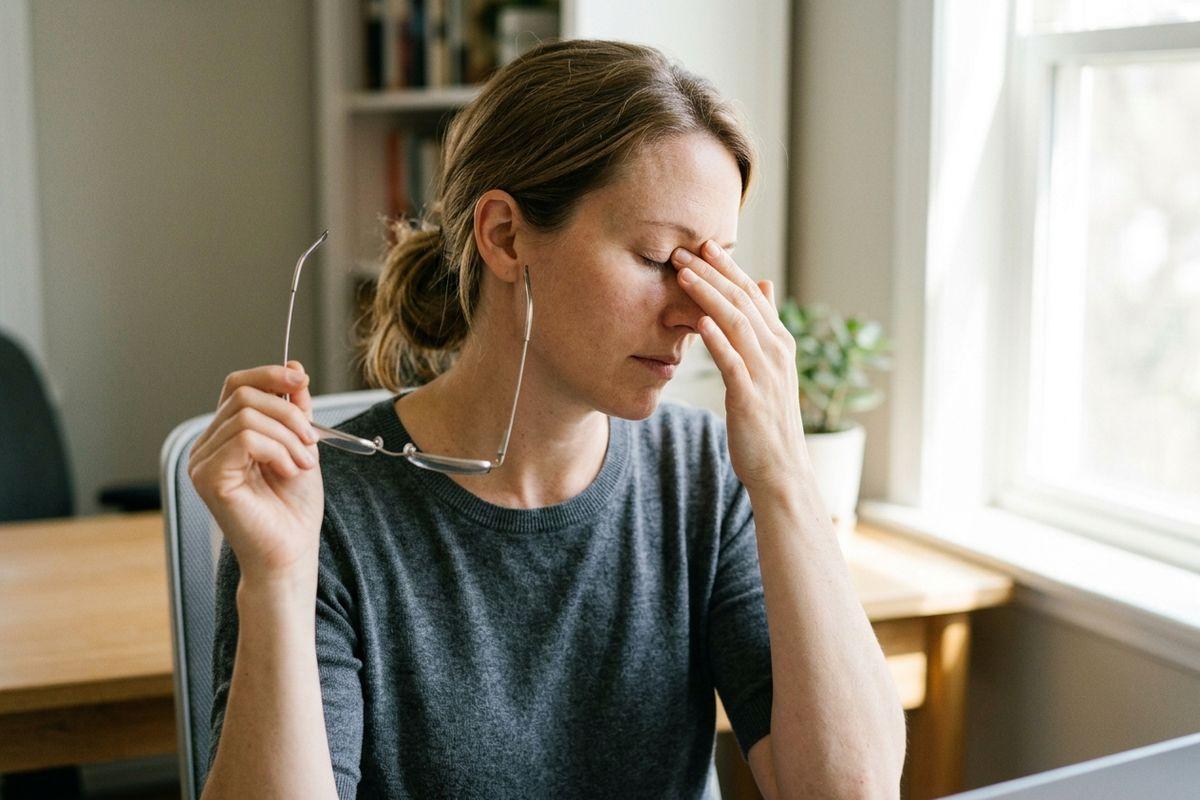
Eye strain doesn’t always feel like eye pain. Sometimes it shows up in ways that seem completely unrelated. Watch for:
- Headaches that build up over the day
- Blurred vision that comes and goes
- Eyes that feel tired, heavy, or hard to keep open
- A sense of being off-balance or lightheaded after screen time
- Light sensitivity, dryness, or watery, irritated eyes
These symptoms don’t always spell trouble on their own. But when a few of them show up together, or keep coming back after screen use, pay attention. Optometrists sometimes group this cluster under computer vision syndrome, and it connects directly to your daily screen habits.
When Symptoms Are Worth Mentioning to an Optometrist
Some eye strain fades after a good night’s sleep. Other times it lingers longer than it should. Bring it up with your optometrist if:
- Dizziness keeps returning, especially after reading or screen work
- Symptoms stick around even after rest and time away from screens
- Reading, driving, or working feels harder because of the discomfort
- Your vision seems fine, but the dizziness or strain still shows up daily
Your eyes see nearly everything you do in a day, so when they struggle, other things start to slip too.
What Leads to Eye Strain and Dizziness
Causes of eye strain can include issues with your eyes themselves or a combination of daily habits.
When Your Eyes Don’t Quite Sync Up
One overlooked factor is how well your eyes work together. If they’re even slightly out of sync, your brain has to work overtime blending two images into one clear picture. That extra effort builds strain over time, and the strain can surface as dizziness or a subtle sense of disorientation, even when your eyesight itself seems fine.
Everyday Habits That Add Up
Most of what strains your eyes is just part of a normal day. Long hours on screens, detailed close-up work, and poor lighting all pile demand onto your visual system. Uncorrected vision adds to that load too, even when it feels manageable.
You also blink far less when you’re focused on a screen, and that alone can dry out and irritate your eyes.
Simple Ways to Reduce Eye Strain Daily
A few adjustments can make a real difference in how your eyes feel by the end of the day. Start with the 20-20-20 rule: every 20 minutes, look at something 20 feet away for 20 seconds. It gives your eye muscles a short break to reset.
Beyond that, adjust your screen setup:
- Increase your font size so you’re not squinting
- Position your screen at eye level to ease the strain on your neck and eyes
- Turn down the brightness to match the light in the room
- Sit up straight, since hunching pulls your eyes into an awkward angle relative to the screen
How an Eye Exam Can Help
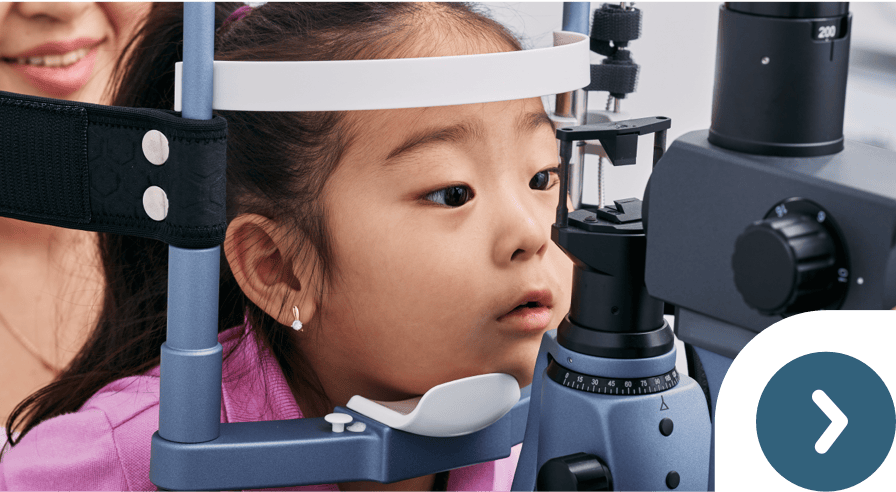
A thorough eye exam checks far more than whether you can read the letters on a chart. Your optometrist also looks at how your eyes move, how well they work as a team, and how your eye muscles are functioning. That kind of assessment can uncover alignment issues that a basic vision screening might miss, including the kind that contribute to dizziness and strain.
No set of eyes is quite like another, and neither are the symptoms that come with them. What’s driving dizziness and strain for one person might look completely different from what’s happening with you. A personal assessment lets your optometrist look at your specific situation and point you toward options that fit your eyes and your day-to-day life, rather than guessing.
Regular check-ups build a clearer picture of your eye health over time. Most adults benefit from an exam every 1 to 2 years, though your optometrist may suggest a different schedule based on your eyes.
Personalized Care for Your Unique Eyes
If dizziness or eye strain has been bothering you, don’t just wait it out. Book an exam and get some real answers about what’s going on. Westmount Optometrists can take a closer look and help you feel steadier day to day, so go ahead and book your appointment today.