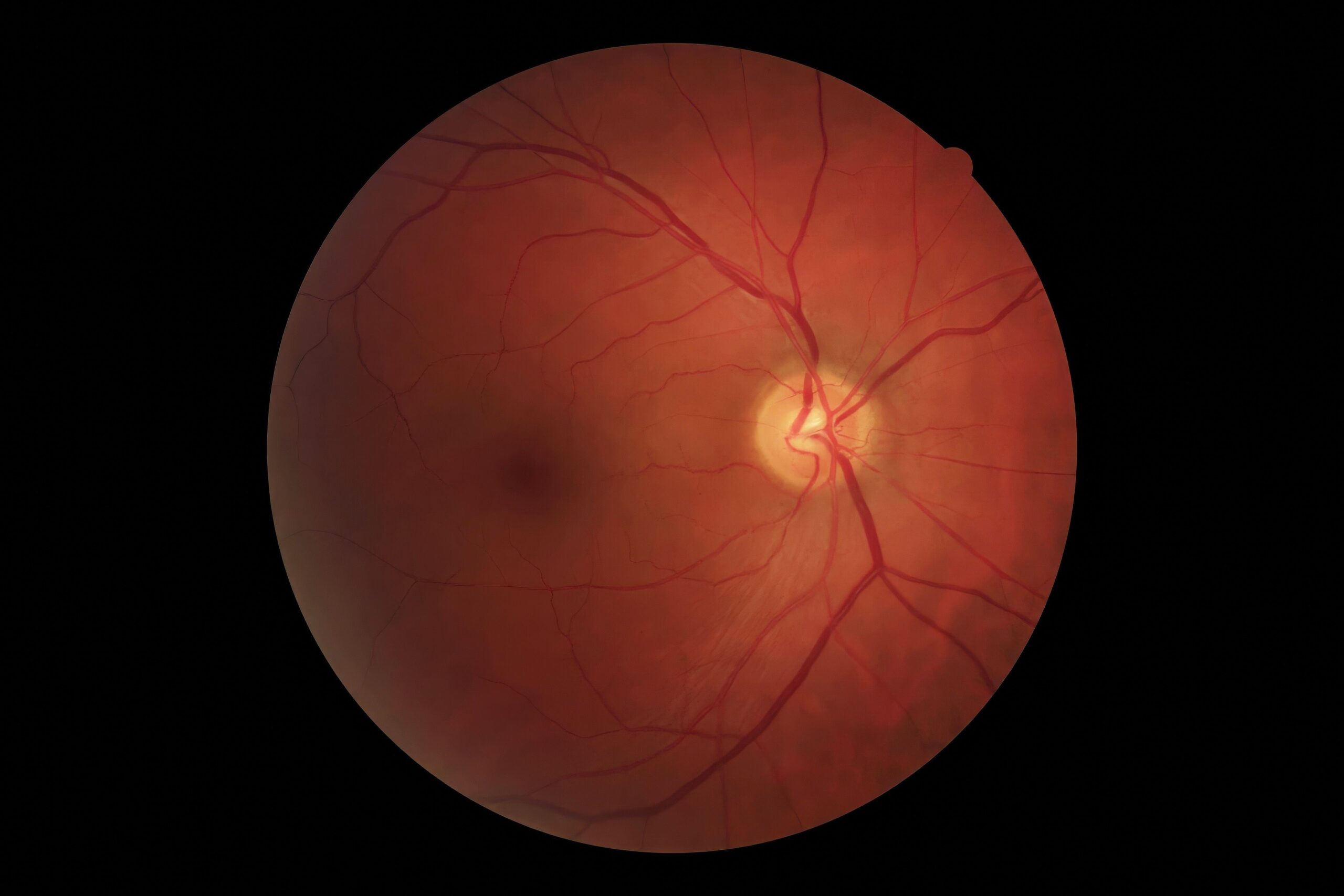
At Westmount Optometrists, we use retinal eye imaging to take a detailed digital picture of the back of your eye, offering a clear window into your eye health.
Retinal imaging can help detect a wide range of eye conditions and can even identify early signs of other health issues in your body. This technology captures a wealth of information, which helps your eye doctor provide a more complete assessment of your health.
A Look Beyond Your Vision Prescription
Think of retinal imaging as a detailed photo of your inner eye. It captures a wide, clear view of your retina, optic nerve, and the tiny blood vessels at the back of your eye. The image it produces gives your eye doctor a thorough look at what is happening.
These pictures become a permanent part of your file, which allows us to compare images from year to year and track even small changes over time.
Eye Conditions Spotted with Retinal Images
Retinal imaging is used to spot eye conditions early, often before you notice symptoms yourself. Here are a few of the conditions that it can diagnose:
Glaucoma
Glaucoma is a condition that affects your peripheral vision. Early stages of glaucoma often don’t have noticeable symptoms, so spotting any changes early can help protect your sight.
Diabetic Retinopathy
For anyone with diabetes, regular diabetic eye examinations that include retinal imaging are an important part of maintaining eye health. These exams allow your eye doctor to check for leaky or damaged blood vessels in the retina. Early detection is key to managing the condition and preventing vision loss.
Age-Related Macular Degeneration (AMD)
This condition affects your sharp, central vision. A retinal image can reveal early signs of damage to the macula—the part of the retina responsible for seeing fine details clearly. This allows for prompt action to help preserve your central vision.

The Link Between Retinal Images & Overall Health
Your eyes are the only place in your body where a doctor can see your blood vessels directly, without an invasive procedure.
Because the health of the blood vessels in your eyes often reflects the health of blood vessels throughout your body, retinal imaging can help identify a number of different diseases. Your blood vessel can be affected by:
- High Blood Pressure: This can cause bends, kinks, or other changes in the retina’s delicate blood vessels.
- High Cholesterol: Plaque or blockages from cholesterol can sometimes be seen in the blood vessels of the eye.
- Stroke Risk: Tiny clots or blockages in the retinal blood vessels may point to a higher risk of similar issues elsewhere in your body.
What to Expect During a Retinal Scan
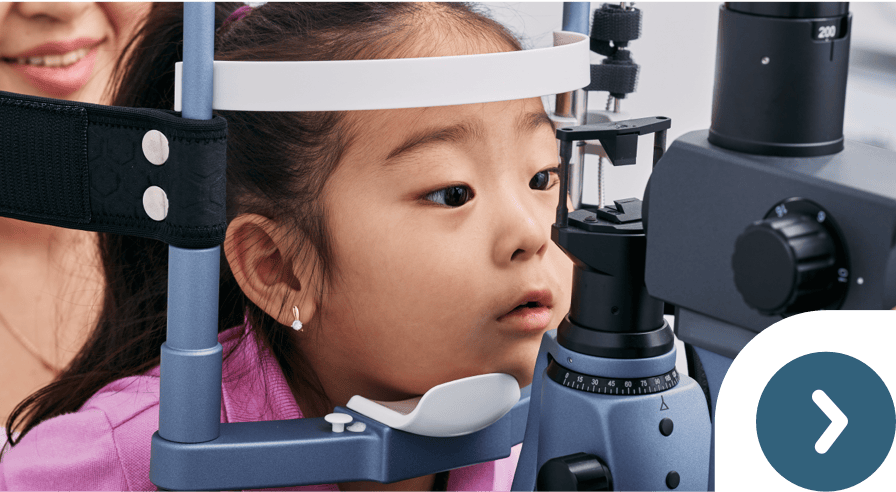
The process is simple, quick, and comfortable. You sit down and look into the machine, one eye at a time. You’ll see a quick flash of light—like a camera flash—and that’s it. The entire process usually takes only a few minutes to complete.
The Value of a Deeper Look at Your Eye Health
Adding a retinal scan to your regular eye exam can provide a more complete picture of your health. It helps create a baseline record of your eye, making it easier for your eye doctor to spot small changes down the road. This historical view of your eye health is invaluable for long-term care.
By detecting potential issues early, our team at Westmount Optometrists can address them sooner and support your vision care. Book an appointment with us today to learn more.