You’ve probably noticed that street signs look fuzzy when you’re driving downtown. Or maybe your favourite book feels hard to read unless you hold it far away. The team at Westmount Optometrists knows these common vision changes happen when light lands in the wrong spot inside your eye. A routine eye exam can help identify these focusing issues.
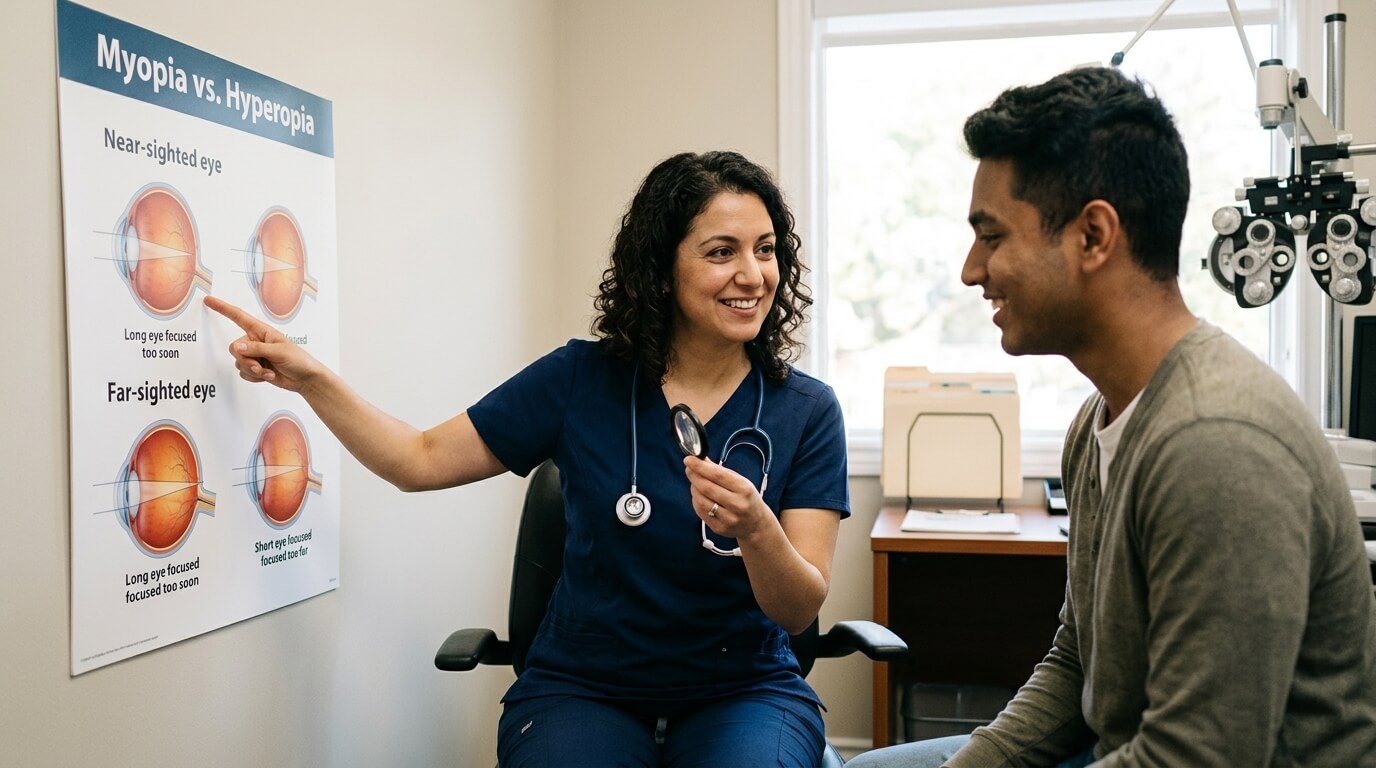
The main difference between myopia and hyperopia is where light focuses in your eye. Myopia makes distant objects look blurry, while hyperopia makes close objects hard to see.
The Main Differences Between Myopia & Hyperopia
When Near Objects Look Clear
Your eye needs to bend light precisely to create a crisp image of the world around you. This process relies on the physical shape of your eyeball. People with nearsightedness or myopia have eyes that grow slightly too long from front to back.
This extra length stops light from traveling all the way to the back of your eye. The visual image forms too early and loses sharpness before it completes its journey. You can notice this when distant objects lose their sharp edges.
- Focus point: Light lands in front of the retina.
- Eye shape: The eyeball is too long for light.
- Vision impact: Distant things appear blurry to you.
When Far Objects Look Clear
A different physical shape changes how your eye processes incoming light. Farsightedness or hyperopia happens when your eyeball is slightly too short from front to back. Light enters your eye and travels too far before coming into sharp focus.
Your eye muscles have to work extra hard to bend that light forward and onto the proper spot. This constant muscle flexing helps you see far away, but makes close work very difficult. You might find yourself pushing your book further away to make the words clear.
- Focus point: Light lands behind the retina.
- Eye shape: The eyeball is too short to bend light.
- Vision impact: Close tasks feel difficult for you to see.
Common Signs & Symptoms To Watch For
Signs Of Nearsightedness
These vision changes often show up during your normal daily routine. You might notice the score on a television screen looks fuzzy when you watch a hockey game from the couch. Driving at night becomes frustrating when street signs blur together until you get very close to them.
Many people unknowingly tighten their facial muscles to improve their focus. This constant strain can lead to uncomfortable physical symptoms throughout your day.
- Squinting You struggle to see road signs clearly.
- Headaches Pain from trying to focus far away.
- Blurriness Poor vision during a movie or sports.
Signs Of Farsightedness
Close work demands significant effort from your eye muscles when you have hyperopia. Reading a restaurant menu or scrolling through your phone can quickly become an uncomfortable experience. The letters might appear to swim or lose their crisp edges after just a few minutes.
This continuous extra effort takes a physical toll on your comfort. You might feel a dull ache behind your eyes after a long day of working at a computer desk.
- Reading issues: Trouble focusing on a book or phone.
- Eye strain: Discomfort after long computer work sessions.
- Fatigue: Tired eyes when looking at objects up close.
How The Team Tests Your Eyes
What To Expect At A Visit
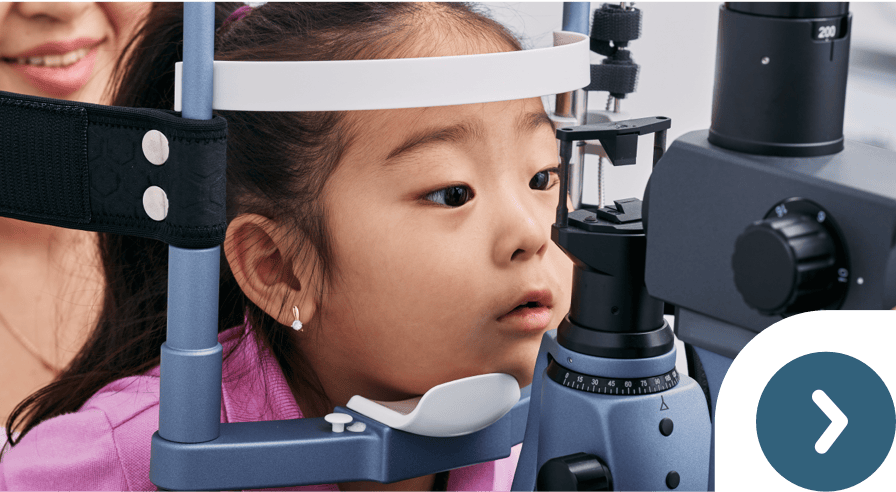
A thorough visual assessment provides clear answers about your vision. The team takes time to understand how you use your eyes at work and at home. This conversation helps the doctors tailor their approach to your specific lifestyle.
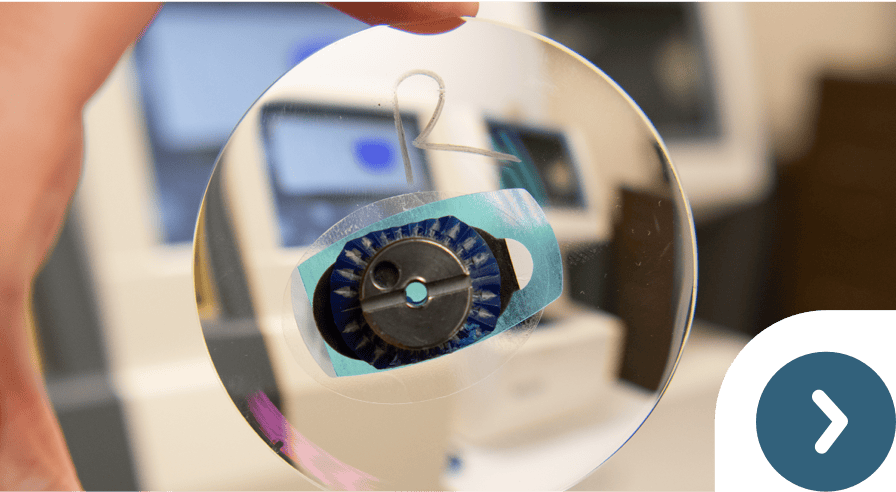
The optometrist uses specialized lenses to measure exactly how your eyes bend light. This precise testing pinpoints the physical source of your blurry vision.
- History: The team asks about your daily routines.
- Clarity: The optometrist checks your visual sharpness.
- Health: The doctor evaluates your overall eye health.
How To Read Prescription Numbers
Your eye doctor uses specific numbers to communicate your exact vision needs. These numbers tell the on-site optical lab exactly how to craft your corrective lenses. The symbols in front of the numbers indicate the physical shape of your eye.
A larger number means your eye needs more correction to see clearly. The team can explain exactly what your specific numbers mean for your daily activities.
- Minus signs: Negative numbers mean you are nearsighted.
- Plus signs: Positive numbers indicate you are farsighted.
- Example: A +0.25 points to mild farsightedness.
Shifts In Your Vision Over Time
How Eyes Change Over Time
Your visual needs evolve naturally as you move through different stages of life. The internal lens of your eye slowly loses its flexibility over the decades. This loss of flexibility makes it harder to shift your visual focus from far objects to near objects.
Many people wonder if their nearsightedness cancels out this natural aging process. These two conditions happen in different parts of your eye and don’t simply reverse each other.
- Aging process: The lens inside your eye gradually loses flexibility as you age.
- Condition shifts: Nearsightedness rarely changes into true farsightedness.
- Future needs: You may need reading glasses later in life.
Why Regular Care Matters
Every patient’s eyes and needs are unique. A construction worker in Glencoe needs different visual support than an office worker in Westmount. The doctors guide care through personal, professional assessment to match your exact lifestyle.
Your eyes continue to change slightly as the years pass. Routine visits help catch these minor shifts before they lead to daily discomfort.
- Custom care: Every person needs a unique care plan.
- Ongoing changes: Your eyes can change over time.
- Monitoring: The team safely tracks these small visual shifts.

Simple Ways To See Clearly Again
Options For Your Daily Life
An optometrist using modern eye care equipment to examine a relaxed adult patient during a vision assessment.
Modern eye care offers many comfortable ways to improve your sight. Your doctor can help you find a solution that fits seamlessly into your routine. You have choices that range from simple accessories to more permanent corrections.
The right choice depends heavily on your daily activities and personal comfort preferences. The team takes time to discuss all available methods with you.
- Glasses: Prescription lenses offer a comfortable vision fix.
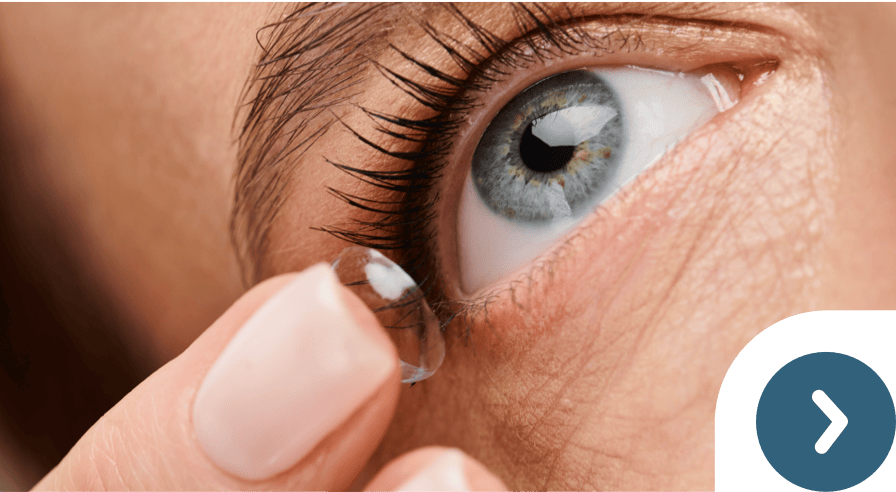
- Contacts: Lenses provide a natural look for activities.
- Surgery: Laser eye surgery gently reshapes your cornea.
When To Call The Clinic
If it is eye-related, call your optometrist for reliable guidance. You don’t have to guess about the source of your blurry vision or headaches. A professional evaluation provides peace of mind and a clear path forward.
The team at Westmount Optometrists stays ready to answer your questions and support your visual health. You can easily find an experienced eye doctor in London, ON to guide your care.
Clear vision helps you enjoy every part of your day without unnecessary strain. The team at Westmount Optometrists can help you find the right corrective options for your unique eyes. Reach out today to book your visit and start seeing your world with improved clarity.