
hes are connected to your dry eye, treatment can help reduce that discomfort.
The Link Between Dry Eye and Headaches
Think about how your muscles feel after a tough workout: They get tired and sore. The same thing can happen to the muscles in and around your eyes when your eyes lack proper lubrication from tears.
Without quality tears, your eyes can struggle to maintain a clear image. This can cause those tiny muscles to readjust more often, contributing to fatigue and tension that can spread and show up as a headache.
What an Eye Strain Headache Feels Like
Though everyone experiences headaches differently, this type usually feels like a constant, dull pain right behind your eyes. You may also find that you are more sensitive to light or that your vision feels a little off, especially when using or working on a screen.
Spot the Signs of Dry Eye
Dry eye is more than just a feeling of dryness. Sometimes, your body tries to fix the problem by producing a rush of watery tears, which can be confusing and sometimes mistaken for allergies. This is often a sign that your normal tears are not providing the right kind of moisture, so your eyes are trying to compensate.
Common Symptoms You Might Notice
Some of the most common symptoms of dry eye include:
- A scratchy or gritty feeling, like sand is in your eye.
- Stinging or burning sensations.
- Redness and irritation.
- Blurry vision that comes and goes.
- Watery eyes.
- Difficulty with night driving.
Common Causes of Dry Eye
Many factors in your life can affect your tear production. Your environment and daily habits play a big role, but other factors you may not think about can also contribute to the uncomfortable, dry feeling.
Your Environment and Daily Habits
Staring at a digital screen for hours can reduce how often you blink, causing your tears to dry up faster. You might also notice more dryness in windy, smoky, or air-conditioned spaces, which can make your tears evaporate from the surface of your eyes more quickly.
Other Health and Age Factors
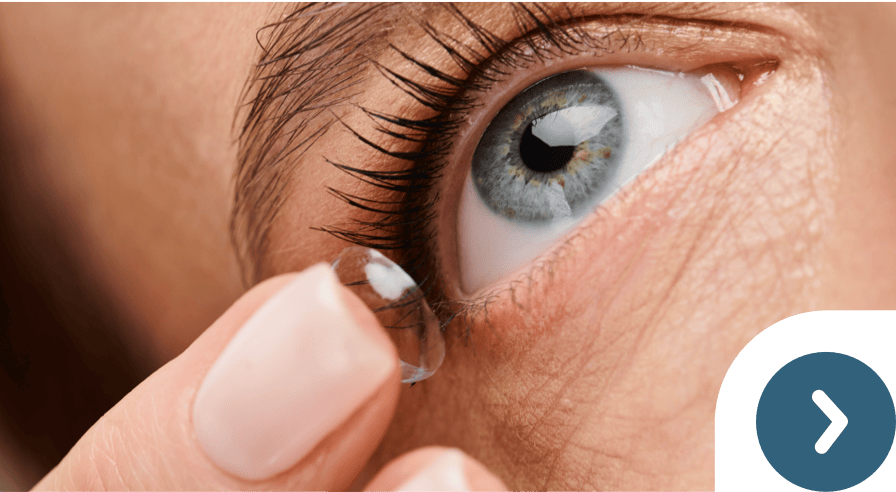
Your eyes might naturally produce fewer tears as you age, but there are also medications that can have a drying effect on your eyes, like anti-allergy or cold medications. For some people, wearing contact lenses can also contribute to feelings of dryness.

Ways to Find Relief at Home
You can often find more comfort by making small adjustments to your daily routine. These simple steps don’t require much effort but can help you regain some comfort.
Simple Changes for More Comfort
- Follow the 20-20-20 rule: Every 20 minutes, give your eyes a break by looking at something 20 feet away for 20 seconds.
- Blink more often: Remember to blink fully and frequently, especially when you are concentrating on a screen.
- Adjust your screen: Position your computer screen just below eye level to help with neck strain.
- Use a humidifier: Add moisture to the air in your home or office to help slow down tear evaporation.
A Quick Word on Eye Drops
Over-the-counter artificial tears can offer quick, temporary relief by adding moisture back to your eyes, but if you find yourself reaching for them several times a day, it could be a sign that a different approach is needed. An eye care professional can help you understand the different types of eye drops for dry eye and which ones might be suitable for your situation.
When to See an Eye Doctor
If you have tried different at-home relief tips and your eyes still feel dry and uncomfortable, getting a professional opinion is a great next step. Regular check-ups are important, and knowing how often you should have an eye examination can help you stay on top of your eye health.
Why a Professional Look Matters
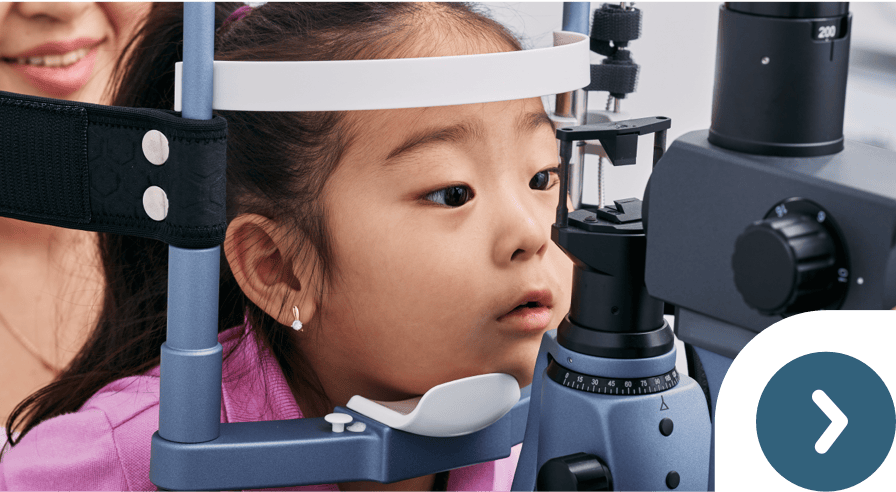
Sometimes, symptoms that feel like dry eye might be related to something else, like allergies or blepharitis (an inflammation of the eyelids). Your eye doctor can perform specific evaluations to figure out what is contributing to your discomfort. This helps you get the right care for the right problem.
What an Eye Doctor Can Do for You
Based on your unique needs, our team can discuss different options with you. These could include prescription drops that help your body make more of its own tears, treatments to help unblock oil glands lining your eyelids, or tiny plugs that help keep your tears from draining away too quickly.
Schedule Your Dry Eye Appointment Today
If you are experiencing persistent dry eye and headaches, our team at Westmount Optometrists wants you to know that you don’t have to deal with it alone. Schedule an appointment with our eye doctors in London, Ontario, to explore personalized dry eye therapy options.