


Can Dry Eyes Cause Headaches?
When your eyes are dry, they may have to work harder to maintain clear vision, which can create tension in the small muscles around your eyes and forehead and contribute to a headache […]
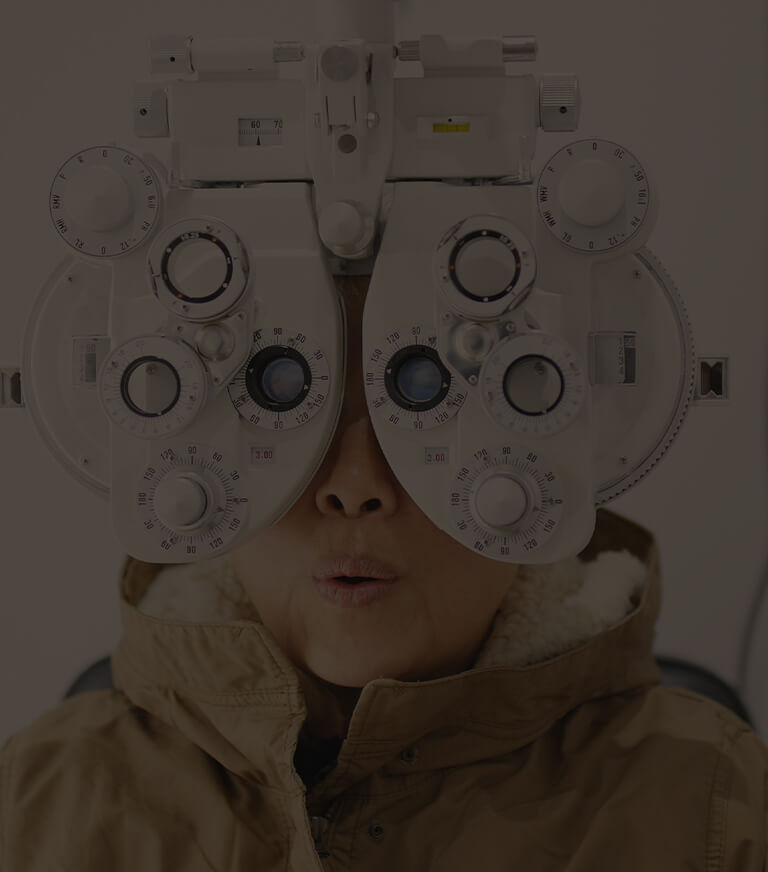
Thorough diabetic eye exams can help prevent eye complications related to type 1 and type 2 diabetes. During a diabetic eye exam, we complete more extensive testing to monitor for eye conditions that may emerge as a result of unregulated blood sugar.
Diabetes can cause multiple ocular complications, including diabetic retinopathy, cataracts, glaucoma, and vision loss.
Regardless of type, all people with diabetes should have yearly eye exams to protect their eye health.

Diabetes is a chronic disease that impacts your body’s ability to produce or use insulin. Unmanaged, diabetes can lead to high blood glucose (blood sugar), which can impact the entire body.
In your eyes, consistently high blood glucose levels can damage blood vessels in the eye. The damage can affect the normal function of your eyes, interfering with sight and eye health.
While managing your blood glucose is a great way to prevent diabetes complications, regular eye exams are also vital for monitoring your ocular health.
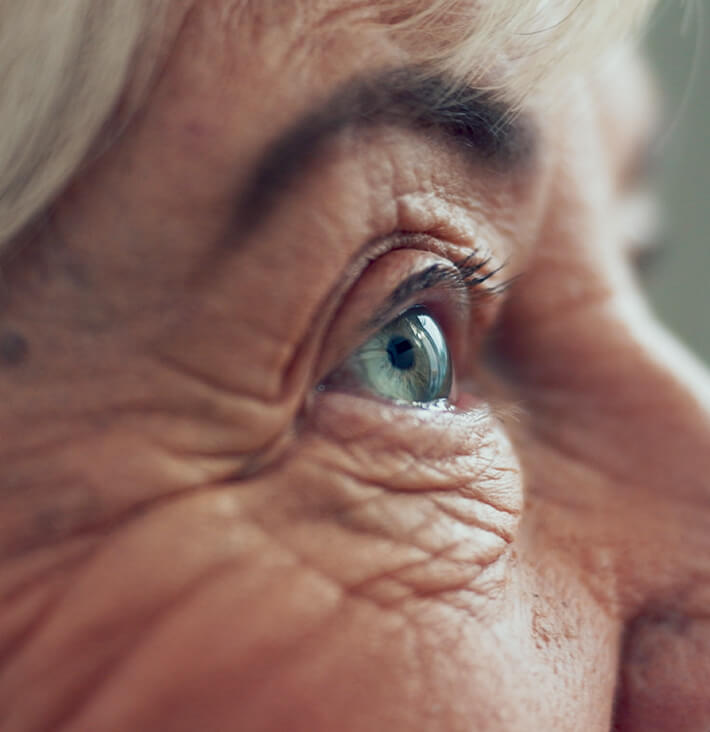
Diabetic eye disease develops over time. Many people may not notice immediate symptoms or changes to vision.
Diabetic eye disease is a group of eye conditions caused by diabetes, including cataracts, diabetic retinopathy, diabetic macular edema, and glaucoma. Having diabetes does not guarantee that you will develop any of these conditions, but it does increase your risk.
Along with the guidance of your primary care physician, your optometrist can provide you with useful information and advice to keep your eyes healthy while living with diabetes.
Cataracts occur when the normally clear lens of your eye becomes cloudy. This affects your vision and can cause symptoms like blurry or foggy vision, light sensitivity, and the feeling of a film over the eye.
In earlier stages, cataracts are managed through prescription lenses. In later stages, cataract surgery is often necessary to restore vision.
Macular edema or diabetic macular edema affects the health and function of the macula. This point of your retina has a high concentration of cones and is responsible for your central and colour vision.
Diabetic macular edema results from excess fluid buildup around the macula. Symptoms of macular edema include blurry or wavy central vision and washed-out or faded colours. Treatments can include laser therapy and injectable medications.
Diabetic retinopathy occurs when high blood sugar damages the blood vessels in the retina, which is responsible for receiving light and sending visual information to the brain. More than 500,000 Canadians are living with diabetic retinopathy.
Symptoms of diabetic retinopathy include blurry vision, dark spots or holes in vision, flashes of light, and difficulty seeing colours. Diabetic retinopathy also increases the risk of other eye complications, such as retinal detachment or macular edema. Treatments include injectable medications, laser therapy, and surgery.
Glaucoma is a group of eye diseases that affects your eye pressure and damages your optic nerve. Diabetes is a significant risk factor for developing glaucoma. Increased blood sugar levels can damage blood vessels in the eye, leading to abnormal blood vessel growth and poor drainage, which in turn can increase intraocular pressure (IOP).
Early detection of glaucoma is crucial to prevent vision loss. Treatments include drainage implants, medications, laser surgery, and trabeculectomy surgery.
Our eye care team uses various diagnostic methods and technologies to look at your eye health. OCT and digital fundus imaging are 2 primary technologies we use during a diabetic eye exam to monitor your eye health.
Optical coherence tomography (OCT) is an imaging test that uses light waves to take cross-sectional pictures of the retina and optic nerve. It creates high-resolution images, allowing for detailed measurements of the retina and eye structures.
An OCT scan is a noninvasive test that often requires pupil dilation. The scan typically lasts between 5 and 10 minutes.
The fundus is the back surface of the eye, which includes the retina, macula, optic nerve, fovea, and blood vessels. Fundus imaging utilizes a low-power microscope to capture images of the interior surface and back of the eye.
Digital fundus imaging is a noninvasive test and can be completed in a few minutes. As the images are taken through the pupil, pupil dilation may be necessary to provide the camera with a better opening to look through.

Yearly diabetic eye exams are a crucial part of preventing eye disease and other complications of diabetes. Our team at Westmount Optometrists can help you protect your vision through diagnosis and treatment. The sooner we see you, the sooner we can work together to protect your eyes.
Book your diabetic eye exam today. Trust us, you’ll see!
At the corner of Springbank Drive and Wonderland Road, our clinic offers plenty of parking out front.






























When your eyes are dry, they may have to work harder to maintain clear vision, which can create tension in the small muscles around your eyes and forehead and contribute to a headache […]
Retinal imaging can help detect a wide range of eye conditions and can even identify early signs of other health issues in your body. […]
Your eyes might feel dry because they don’t make enough tears, or the tears you do make evaporate too quickly. […]
OHIP provides coverage for eye exams based on your age and specific medical conditions you may have. […]
Yes, many people with dry eyes can wear contact lenses comfortably with the right strategy and lens choice. […]
Age-related macular degeneration is one of the leading causes of vision loss among Canadians over the age of 50, with more than 2.5 million people affected.
[…]
Read More… from How Common is Age-Related Macular Degeneration in Canada?
Your eyes and brain need time to adapt to your new lenses, and this adjustment period varies from person to person. Some lucky folks feel comfortable within a day or two, while others might need up to two weeks to fully settle in. […]
Read More… from How Long Does it Take to Adjust to New Eyeglasses?
Often better known as “transition lenses”, photochromic lenses are not your typical sunglasses. These lenses automatically adjust their lens tint based on UV light exposure, remaining clear indoors and becoming darker when exposed to sunlight, even on cloudy days.
[…]
These eyeglasses use specially designed lenses that cause light to focus on the eye in a way that slows myopia progression in children.
[…]
The key difference? Dry eyes are typically caused by poor tear production or when your tears evaporate too quickly, while eye allergies result from your immune system reacting to allergens like pollen or dust. The symptoms may overlap, but the causes—and treatments—are very different.
[…]
Read More… from Dry Eyes or Allergies: How to Identify the Cause of Your Eye Discomfort
One of the easiest ways to determine if your sunglasses are polarized is by using the reflection or screen test. […]
Read More… from How Do You Know if Sunglasses Are Polarized?
By determining your face shape—whether it’s oval, round, square, or another—you can select glasses that best suit your unique features, ensuring both a flattering fit and a boost in confidence. […]
Dry eye syndrome can be uncomfortable and disruptive to your eye health, affecting millions of people worldwide. Whether you’re dealing with persistent dryness, redness, or irritation, finding relief often starts with the right type of eye drops. These tiny bottles of liquid comfort can make a significant difference when chosen and used correctly. Types of […]
When considering laser eye surgery, one of the most common questions patients ask is about timing. How long it will take is a concern that may influence your decision, especially if you’re juggling work, family responsibilities, or other obligations. Fortunately, laser eye surgery, particularly LASIK, is a quick and efficient procedure designed to minimize disruption […]
Glaucoma, a complex eye condition, can lead to serious vision damage if left untreated. It’s a subtle, progressive condition that tends to develop without obvious warning signs. Regular eye examinations are key to catching conditions like glaucoma—they’re the easiest way to detect problems before they damage your vision. But what causes glaucoma in the first […]
Tears are such an integral part of your eye health that you may not think much about them until something feels off. Have you ever noticed your tears stinging your eyes, leaving you curious—and maybe a bit concerned—about why? While we often associate tears with emotion or keeping our eyes comfortably moist, there are several […]
Navigating a prescription can feel like reading a secret code. But whether you’re squinting at tiny text on a screen or admiring the vibrant colours of a sunset, we all treasure clear vision—so an accurate prescription is a must!
Contact lens prescriptions and glasses prescriptions are not the same. So whether you’re sticking with the cozy familiarity of your favourite pair of glasses or making the jump to the comfort offered by contact lenses, your optometrist can help you see the world clearly.
[…]
Read More… from Are Contact Lens Prescriptions & Glasses Prescriptions the Same?
For many, an eye exam is a routine check-up that can ensure eye health, but did you know it’s also a powerful tool for detecting diseases? Regular eye exams can reveal much more about your overall health than you might expect.
Today, we’ll explore the various conditions such as diabetes, high blood pressure, high cholesterol, autoimmune disorder, neurological conditions, and cancer that can be identified during an eye exam, offering you peace of mind and a deeper understanding of your health.
[…]
Dry eye syndrome is a common and often chronic condition that affects millions of people around the world. While it might seem like a minor inconvenience, dry eye can lead to significant discomfort and even impact your vision. One of the symptoms that sufferers frequently report is blurry vision. But can dry eye cause blurry […]
Navigating the world of contact lenses can be overwhelming, with so many options available. From different styles and types to advanced lens designs, it’s easy to get lost. Your optometrist can be a valuable guide in this process, helping you find the perfect fit for your vision and lifestyle. One option to consider is rigid […]
The sun may be beautiful, but that doesn’t mean it’s harmless. It’s essential to always protect your eyes from UV radiation to keep your eyes healthy and your vision clear. But if you’ve ever thought about picking up a new pair of sunglasses, you’ve probably noticed words like “polarized” and “non-polarized.” What does this mean? […]
Regular eye examinations are essential for maintaining good vision health and detecting any potential problems early on. The frequency of your eye exams depends on several factors, including age, overall health, and any existing eye conditions. Here are some general guidelines to follow: Children should have their first comprehensive eye examination at 6 months of […]
Experiencing the discomfort of dry eyes can be more than just an irritation—it can significantly impact your quality of life. But what if the foods you eat could help you prevent and manage symptoms like stinging sensations? Now may be the time to book an eye exam and get personal advice on your eye nutrition. […]
How long eye strain lasts can vary in individuals. However, eye strain symptoms can subside after an hour when you stop the activity that caused it. Prolonged eye strain could indicate an underlying eye problem. […]
If you’re tired of wearing glasses and considering switching to contact lenses, or maybe you’re already a seasoned contact lens wearer and want to learn more about the fitting process, you’ve come to the right place. Contact lenses have revolutionized how we see and experience the world, providing a convenient and comfortable alternative to traditional […]
If you keep waking up with dry eyes, several underlying causes could exist. From sleeping habits to dry air, allergies, and eye strain, identifying the root cause of the problem is the first step to finding relief. […]
Yes, your eyes can get “sunburns” or, more accurately, “photokeratitis,” but there are certain signs and symptoms to watch out for so you can protect your vision. […]
Eye exams generally don’t take too much out of your day, usually about 30 to 60 minutes, depending on your needs for diagnosing and managing eye issues […]
There are some instances where this mode could help lower your risk of straining your eyes. However, it can also do the opposite, so it’s important to know when to use it. […]
To prevent dry eye with contact lenses, you need the right contact lens type, replacement schedule, contact solution, and home habits to keep your eyes hydrated during prolonged wear. […]
Sunglasses aren’t only a stylish accessory, but they’re also crucial to protecting your eyes from harsh ultraviolet (UV) rays. […]
Eye drops are often one of the first treatments or solutions recommended for many common eye problems–including allergies, infections, and dry eye. Rewetting eye drops can also significantly benefit patients wearing contact lenses. But when your eyes are irritated, or you have a heightened blink reflex, it can be challenging to put in your own […]
If you’re suddenly dealing with an eye problem like dry eyes, you’ll likely do everything possible to ease the discomfort. But when your eyes are working properly, it can be easy to ignore them. And without any troubling symptoms, how easy is it to think about skipping your next comprehensive eye examination? Unfortunately, there’s much […]
Many people who require vision correction choose to wear contact lenses. This choice may be because they find them more comfortable, want a wider range of clear vision, or prefer the aesthetics going frameless grants them. If you’re one of those who decided to go with contact lenses, you may already know the basics. Your […]
Dry eye symptoms can make your eyes feel tired, irritated, and uncomfortable. Much like a runny nose or plugged ears, dry eye can feel impossible to ignore. Except dry eye doesn’t resolve quite as easily as we’d like. Dry eye can be frustrating to deal with, but there are many treatments available to help alleviate […]
Read More… from 6 Reasons Why Scleral Lenses Can Solve Your Dry Eye Syndrome
Polarized sunglasses are a popular choice for anyone who loves the outdoors. These special lenses reduce glare while keeping your vision clear. These sunglasses are usually on the more expensive side, especially if you get prescription lenses. Taking proper care of your polarized lenses will help keep them working properly for years to come. What […]
As sunny seasons approach, you might be asking yourself, “do I need prescription sunglasses?” If you normally require prescription eyewear, the answer is yes. We’re going to explore why this is important and how prescription sunglasses can help you achieve a better lifestyle. The first step in finding sunglasses that help you see better and […]